

1. Introduction
Rose is a soft, warm shade between pink and red. It looks like a petal in morning light. The rose color meaning blends love, kindness, and quiet confidence.
This color feels gentle, yet it is never weak. It carries red’s heart without red’s heat. That balance makes rose one of the most loved shades in the world. It appears in gardens, weddings, fashion shows, and homes.
In this guide, you will learn the full meaning of the rose color. We will explore its psychology, culture, history, and branding. We will also look at dreams, astrology, and personality. By the end, you will see why this petal-soft shade has lasted for centuries.
2. General Meaning & Symbolism
Rose is a gentle mix of red and white with a hint of warmth. Red brings passion. White softens it. The result is a color that feels tender and sincere. This is the heart of the rose color meaning.
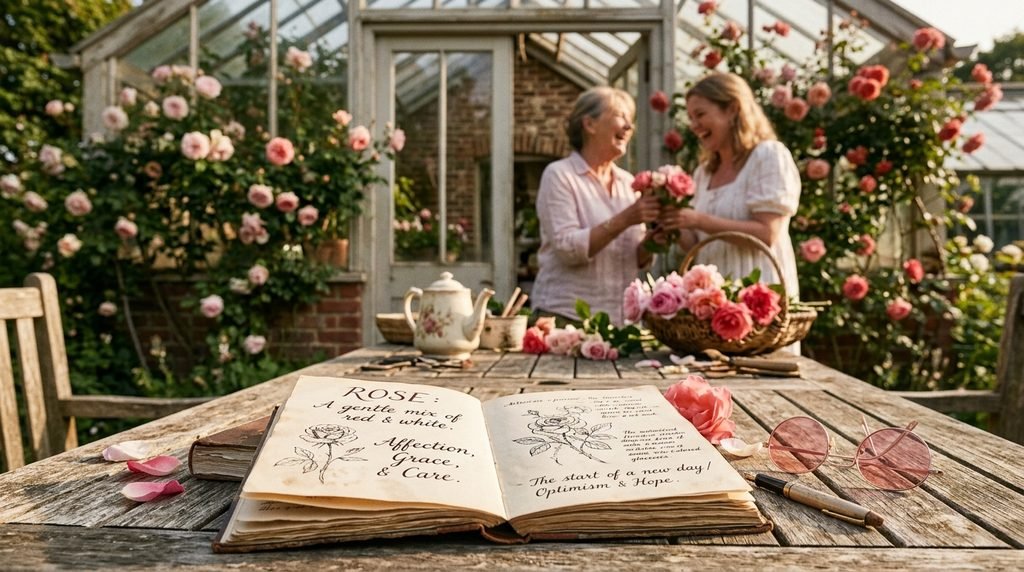
Most people link rose with affection, grace, and care. It suggests love that is calm and kind. It also feels hopeful, like the start of a new day.
Rose as a Symbol of Love and Affection
Rose is one of the clearest colors of love. It is softer than red, so it feels less urgent. It suggests warm feelings that grow slowly and stay.
This is part of what the rose symbolizes in daily life. It points to romance, friendship, and family bonds. People often give rose-colored gifts to say “I care about you.”
Rose as a Symbol of Optimism and Hope
The rose also stands for a bright outlook. The old phrase “rose-colored glasses” comes from this idea. It describes seeing life in a positive, hopeful way.
That phrase shows how deeply the color is tied to joy. Rose lifts the mood. It reminds us that kindness and hope still matter.
3. Psychology of Rose
Rose color psychology centers on comfort, warmth, and emotional safety. It carries the energy of red, but in a gentler form. The mind reads it as friendly and caring rather than loud or urgent.
Because rose is soft, it lowers tension. It invites people to relax and open up. Many designers use it to create a caring mood.
Rose and Emotional Comfort
Rose feels nurturing. It reminds people of warmth, touch, and care. Many people say it makes a space feel kind.
Some early studies suggested that soft pink tones could calm people. Later research was mixed. Still, many people report that rose feels soothing. That feeling is a key part of rose color psychology.
Rose and Self-Love
Rose is also tied to self-care and self-acceptance. It encourages gentleness toward oneself. Wearing or surrounding yourself with rose can feel like a small act of kindness.
At the same time, too much rose can feel overly sweet. It works best when balanced with deeper neutrals. Used well, it supports warmth without losing strength.
4. Rose in Different Cultures
Colors carry different meanings around the world. Rose is no exception. The rose color meaning shifts with history, flowers, and tradition. Looking at several regions shows how rich this shade really is.

In many places, rose is linked to love and beauty. In others, it connects to poetry and spring. Together, these views make rose a truly global color.
Rose in Western Cultures
In Western countries, rose is tied to romance, femininity, and gentle charm. It fills Valentine’s Day cards, weddings, and spring décor. It also suggests nostalgia and old-world elegance.
For a long time, pink was not only for girls. In the 1700s, men and boys wore it too. The strong link between pink and girls grew much later, in the twentieth century. Today, many designers are breaking that rule again.
Rose in Eastern and Middle Eastern Cultures
In Persian culture, the rose is a treasured symbol in poetry and gardens. Rosewater is used in food, perfume, and celebrations. The flower stands for beauty, love, and deep feeling.
In Japan, soft pink is tied to cherry blossoms. These flowers mark spring and the fleeting nature of life. In India, rose petals and rosewater appear in festivals and weddings. These examples show that the meaning of rose often grows from flowers and rituals.
5. Rose in Religion & Spirituality
Rose carries a calm spiritual glow. Its soft shade suggests compassion, grace, and gentle devotion. For this reason, the rose color meaning appears in sacred art, ceremonies, and quiet prayer.

Many traditions treat the rose flower as holy. Its beauty and fragrance suggest something beyond the ordinary. The color feels spiritual without feeling heavy.
Rose in Christianity
In Christianity, the rose is linked to the Virgin Mary. She has been called the “mystical rose” in prayer and art. The rose also appears in church life. Some churches use rose-colored vestments on two joyful Sundays during Advent and Lent.
These Sundays mark a moment of hope in a serious season. The softer shade lightens the mood. It shows how rose can stand for joy inside reflection.
Rose in Energy-Based Spirituality
In energy-based practices, rose and soft pink are tied to the heart center. They are linked to compassion, forgiveness, and love. Rose quartz, a pale pink stone, is often used for this purpose.
People carry, or place rose quartz in calm spaces. They believe it supports gentle emotions. These views are symbolic rather than scientific. Still, they add a thoughtful layer to what rose symbolizes in spiritual life.
6. Rose in Nature
Rose appears in nature as a soft, glowing shade. It shows up in flowers, skies, and animals. The rose color meaning feels natural because it comes straight from living things.

Nature often uses rose for attraction and beauty. It also paints some of the most peaceful scenes on Earth. These sights add a real-world layer to rose color meaning.
Rose in Flowers and Plants
Roses, peonies, and camellias bloom in rich rose tones. Cherry blossoms cover trees in soft pink clouds. These flowers attract bees and other pollinators.
The color also signals health and ripeness. Many fruits blush rose as they ripen. This shows that rose is tied to life and growth.
Rose in Skies and Animals
Sunrise and sunset often glow rose. The soft light feels calm and hopeful. Many people stop to enjoy these moments.
Flamingos are famous for their rosy feathers. Their color comes from pigments in the food they eat. Pink river dolphins also show rosy skin. These animals prove that the rose belongs to the wild as much as to gardens.
7. Rose in History
The rose has a long and rich past. People have grown roses for thousands of years. The flower inspired art, perfume, and poetry. Over time, its name also became the name of the color.
Looking at history makes the rose color’s meaning clearer. It shows how a flower turned into a symbol of love and refinement.
Rose in Ancient and Royal Use
Ancient Greeks and Romans linked roses to love and beauty. They used petals in festivals, perfumes, and decoration. Stories say that lavish rose petals decorated grand feasts.
In the 1700s, rose tones became fashionable at the French court. Madame de Pompadour helped make a famous rose shade popular in porcelain. It became a sign of taste and luxury.
Rose in Modern Times
In the twentieth century, rose and pink spread into everyday fashion and design. Soft tones filled homes, clothes, and packaging. Later, designers began to use rose in new ways.
In 2016, a pale rose shade called Rose Quartz was named a Pantone Color of the Year. Around the same time, rose gold became a global trend in jewelry and gadgets. These moments show how timeless the color is.
[Image caption: Blooming roses and soft rose-gold tones show how the color has symbolized love and elegance for centuries.]
8. Shades of Rose and Their Meanings
Not all roses look alike. Some are pale and airy. Others are deep and rich. These small changes shift the rose color meaning in subtle ways.

Designers choose shades with care because tone shapes mood. A slight shift can move rose from sweet to bold.
Blush and Dusty Rose
Blush rose is very light and gentle. It feels tender, calm, and fresh. Dusty rose is muted and slightly gray. It feels vintage, soft, and thoughtful.
These shades suit weddings, bedrooms, and calm branding. They suggest sincerity and quiet charm. Many people find them easy to live with.
Deep Rose and Rose Gold
Deep rose is richer and stronger. It feels confident, romantic, and warm. Rose gold adds a metallic glow. It feels modern, stylish, and a little luxurious.
These tones keep rose’s tenderness but add presence. They work well in jewelry, fashion, and bold interiors. They show that rose can be both soft and strong.
9. Rose in Branding & Marketing
Brands use rose to signal care, beauty, and warmth. It feels friendly and inviting. It also looks refined when paired with the right design. Rose color psychology helps companies build a gentle, trusted image.
The rose color meaning works well for beauty, wellness, and lifestyle brands. It tells customers the brand is kind and caring.
Rose in Beauty and Self-Care Branding
Skincare, makeup, and bath brands often use rose tones. The color suggests softness and a healthy glow. It also matches the idea of treating yourself with care.
Rose-scented products add to this effect. Sight and smell work together. Customers read the brand as gentle and safe.
Rose in Lifestyle and Tech Branding
Many lifestyle and tech brands use rose for a modern, friendly look. Rose gold finishes on phones and watches became very popular. They feel stylish without feeling cold.
Wedding and gift brands also love rose. It signals love and celebration. This shows how flexible the shade really is.
10. Rose in Fashion & Design
Rose is a favorite in fashion and design because it flatters many looks. It adds warmth without being too loud. It feels romantic but can also feel modern.
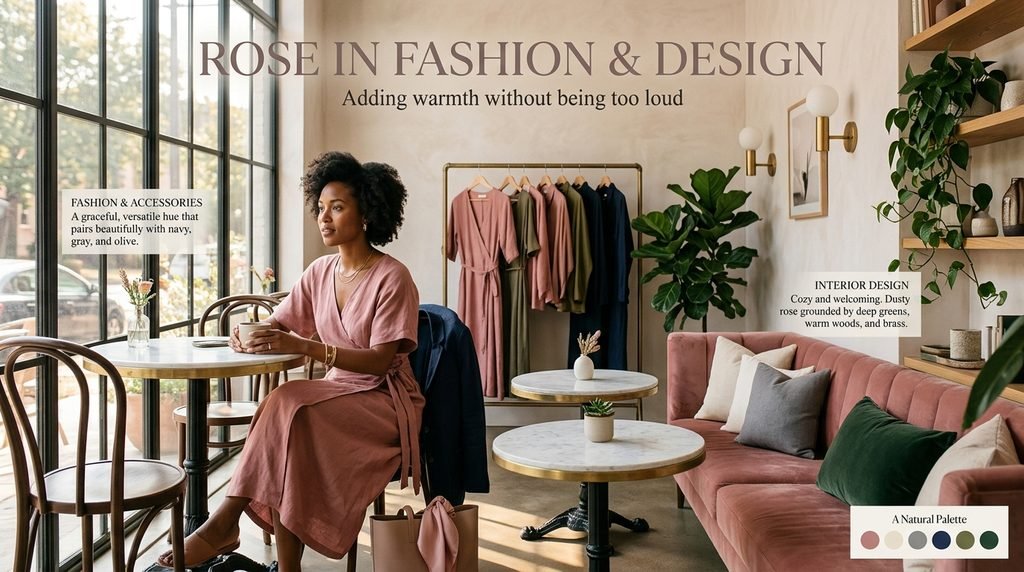
In interiors, rose creates a soft, welcoming mood. It works in both small and large spaces.
Rose in Clothing and Accessories
A rose dress or blouse looks graceful and kind. It pairs well with white, gray, navy, and olive. Rose accessories add a soft pop to simple outfits.
Many people choose rose for weddings and spring events. It feels festive without being flashy. Even a small rose accent can brighten a neutral look.
Rose in Interior Design
In homes, rose appears in bedrooms, living rooms, and cafés. It makes spaces feel warm and cozy. Dusty rose looks calm and grown-up.
Pair rose with gray, cream, or deep green for a balanced look. Add wood or brass for warmth. A little rose goes a long way.
11. Rose and Personality
People often link color choices with personality, though this is not an exact science. Still, the rose color meaning offers helpful clues about those who love it. It usually points to a warm, caring, and thoughtful nature.
Rose lovers are often described as kind and expressive. They value connection and beauty. Their style is soft but confident.
Traits Associated with Rose Lovers
People who love roses are often seen as caring, gentle, and romantic. They value close bonds and honest feelings. They may also be creative and sensitive to beauty.
Many have a warm, welcoming presence. Others often feel safe around them.
Rose in Personal Style Choices
Someone who wears rose may want to look approachable and graceful. It signals warmth without losing confidence. It also suggests a love of softness and detail.
Even small touches, like a rose scarf or rose-gold ring, can show this side. The choice says, “I value kindness.” That message is soft but clear.
12. Rose in Dreams
Dream meanings are personal and not scientific. Still, many people enjoy exploring color symbols. Rose often appears in dreams as a flower, a glow, or a soft light.
It usually points to love, healing, or emotional growth. The mood of the dream matters a great deal.
Common Interpretations of Rose in Dreams
Dreaming of a rose may suggest a need for affection or self-care. Some people see it as a sign of new love or deeper friendship. Others read it as encouragement to be gentle with themselves.
A fresh rose scene often feels hopeful. A wilted rose may point to loss or worry. In both cases, the rose meaning in dreams invites quiet reflection.
13. Rose in Astrology, Tarot & Numerology
Rose has a gentle place in astrology and tarot. It connects to love, beauty, and harmony. Because it is tied to the rose flower, it fits well with romantic symbols.
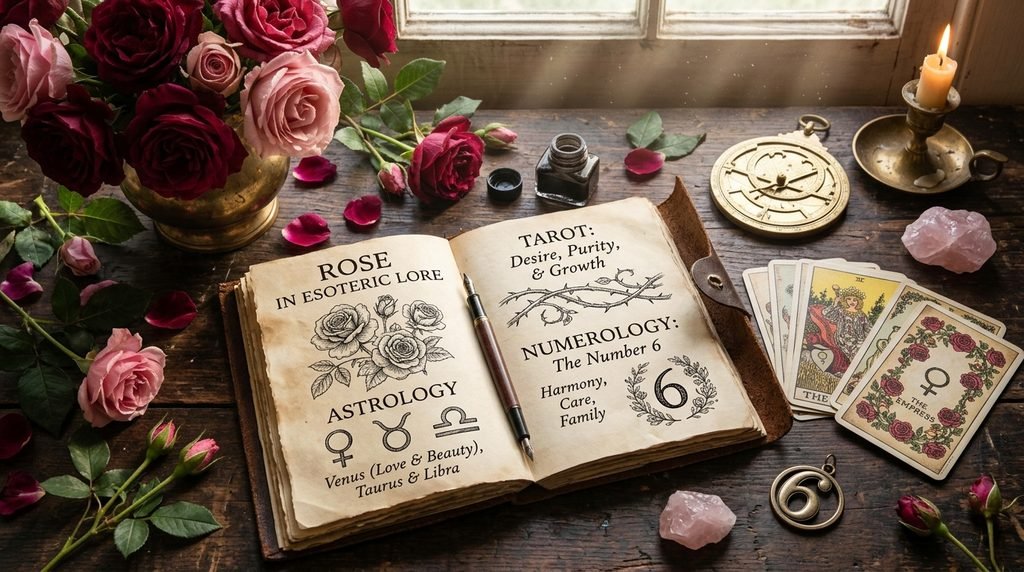
Interpretations vary, so these ideas are best seen as symbolic rather than fixed rules. They add another layer to the rose color meaning.
In astrology, the rose is often linked to Venus, the planet of love and beauty. It is also tied to Taurus and Libra, which Venus rules. In tarot, roses appear in the imagery of several cards, often standing for desire, purity, and growth. In numerology, rose is sometimes connected to the number 6, which stands for care, family, and harmony.
14. Interesting Facts & Trivia
Rose has many fun facts that go beyond its looks. These details show how deeply the shade is part of human life.
- The color name comes from the rose flower.
- The phrase “rose-colored glasses” describes a hopeful way of seeing life.
- In the 1700s, pink was worn by men as well as women.
- Flamingos get their rosy color from pigments in their food.
- Rose Quartz was named a Pantone Color of the Year in 2016.
15. Frequently Asked Questions
What is the rose color meaning?
The rose color meaning centers on love, kindness, hope, and gentle confidence.
What does rose symbolize?
Rose symbolizes affection, grace, romance, and emotional warmth.
Is rose a calming color?
Yes. Rose color psychology shows it feels soft, warm, and soothing.
What is the difference between rose and pink?
Rose is a deeper, slightly redder pink with a petal-like warmth.
What does rose mean spiritually?
It is linked to compassion, forgiveness, and heart-centered energy.
What personality traits go with rose lovers?
They are often caring, creative, romantic, and kind.
What does rose mean in dreams?
It often points to love, healing, or a need for gentle self-care.
16. Conclusion
Rose is a color of tender strength. It blends love, hope, and grace into one soft shade. The rose color meaning has stayed strong across gardens, history, and modern design.
Understanding the rose color meaning explains why people turn to it for comfort and joy. It is gentle, yet it never fades from view. In the end, the rose shows that kindness can be beautiful, bold, and lasting.
[…] lights. In this guide, we will follow that story step by step. We will look at red symbolism in nature, faith, art, and daily life. Along the way, you will see why red never means just one […]