

Yellow is the color of sunlight, and that single fact shapes almost everything it represents. It’s bright, warm, and impossible to miss. Understanding the yellow color meaning starts with recognizing that this is a color built around energy and visibility.
Yellow shows up in warning signs, school buses, smiley faces, and sunflowers alike. It can mean joy in one context and caution in another. This article explores the full yellow color meaning — from psychology and culture to history and branding — so you’ll understand exactly why this color carries so much emotional range.
General Meaning & Symbolism
Yellow sits at the brightest end of the visible spectrum, and that brightness defines its symbolism. It’s most often linked to happiness, optimism, and mental clarity. This cheerful reputation is central to yellow color meaning across nearly every context it appears in.
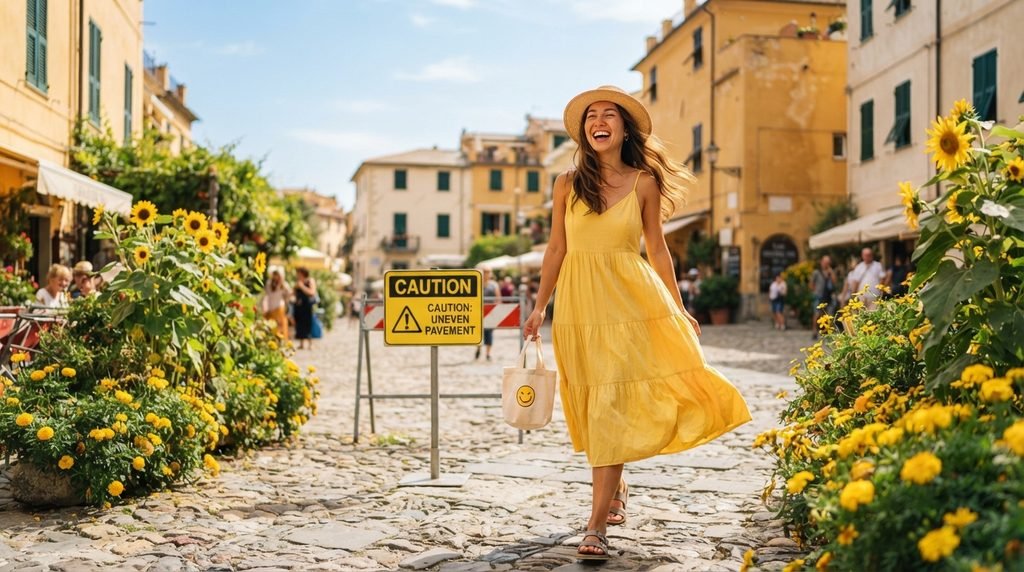
At the same time, yellow isn’t purely positive. It can also suggest caution or instability, depending on how and where it’s used. This dual nature makes yellow more layered than it first appears.
Yellow as a Symbol of Happiness
Yellow is widely recognized as the color of joy and positivity. Smiley faces, sunshine, and cheerful greeting cards all lean on yellow to communicate warmth instantly. It’s a color that feels naturally uplifting, almost impossible to associate with sadness.
This connection isn’t accidental. Sunlight itself is yellow, and humans have long linked daylight with energy, safety, and good mood.
Yellow as a Symbol of Caution
On the other hand, yellow is also used to signal caution and alertness. Warning signs, construction zones, and hazard tape often use yellow because it’s highly visible without feeling as alarming as red. This is part of what does yellow symbolizes beyond simple cheerfulness.
Because yellow grabs attention quickly, it works well for messages that need to be noticed but don’t require full alarm.
Psychology of Yellow
Yellow color psychology centers on stimulation, particularly mental and emotional energy. It’s often linked to quick thinking, optimism, and alertness. Unlike calming colors like blue, yellow tends to activate the mind rather than soothe it.
Researchers studying color perception note that yellow is one of the fastest colors for the eye to process, which is why it’s often used where speed of recognition matters most.
Yellow and Mental Stimulation
Yellow is frequently associated with sharper thinking and improved focus in short bursts. It’s sometimes used in study spaces or creative environments to encourage alertness. This mental boost is a key reason yellow color psychology is applied in educational and creative branding.
However, too much yellow can also feel overstimulating, which is why it’s often used as an accent rather than a dominant color.
Yellow and Emotional Energy
Beyond mental sharpness, yellow is tied to feelings of optimism, confidence, and sociability. It’s a color people often associate with extroverted, upbeat personalities. This emotional lift is part of why yellow’s color meaning leans so heavily toward positivity.
At high intensity, though, yellow can also trigger anxiety or irritability, especially in enclosed spaces. Balance matters with this color more than with most others.
Yellow in Different Cultures
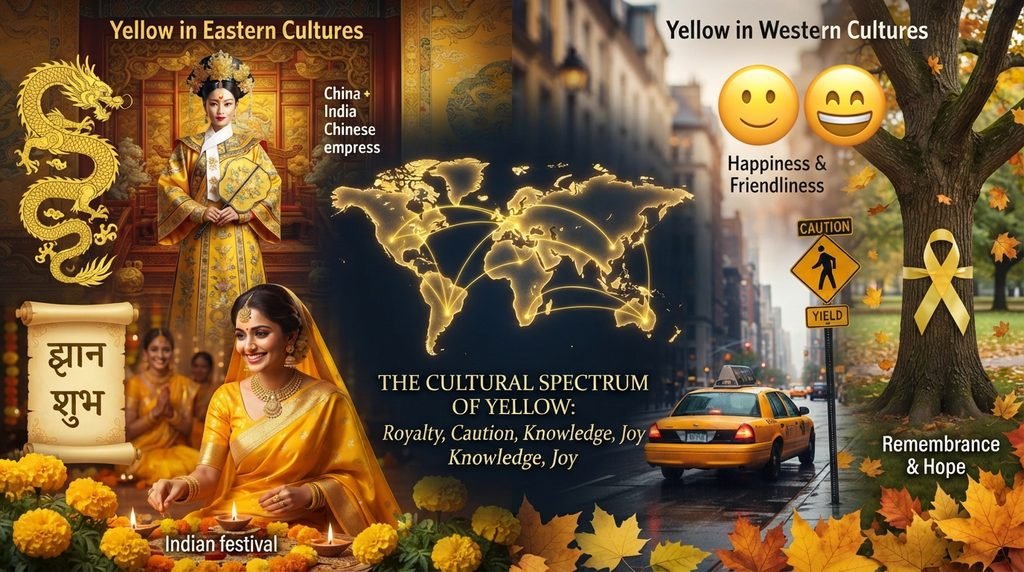
Yellow’s meaning shifts significantly depending on cultural context. In some places, it represents royalty and honor. In others, it’s tied to caution or even mourning. This range shows just how varied yellow’s meaning can be across the world.
Global brands often need to research these cultural differences carefully before using yellow in international markets.
Yellow in Eastern Cultures
In China, yellow has historically been associated with royalty, power, and the emperor, making it one of the most respected colors in Chinese culture. It’s also linked to prosperity and good fortune. In India, yellow is tied to knowledge and learning, often worn during festivals and auspicious occasions.
These associations show yellow carrying deep respect and honor across much of Asia.
Yellow in Western Cultures
In Western countries, yellow leans more toward happiness, friendliness, and caution. It’s commonly used for warning signs and hazard symbols, balancing its cheerful reputation with practical visibility. Yellow ribbons also symbolize remembrance and hope in many Western traditions.
Unlike in the East, Western yellow rarely signals royalty, focusing instead on everyday emotional and functional meaning.
Yellow in Religion & Spirituality
Yellow holds meaningful spiritual symbolism across several traditions, often tied to enlightenment, wisdom, and divine energy. Its brightness naturally connects it to ideas of clarity and higher understanding. This spiritual weight adds depth to yellow color meaning beyond everyday use.
Because yellow resembles sunlight, many spiritual traditions link it directly to life force and awakening.
Yellow in Buddhism
In Buddhism, yellow (particularly saffron) is closely associated with humility, renunciation, and spiritual awakening. Monks traditionally wear saffron robes to represent detachment from material life. The color is seen as a symbol of enlightenment and inner peace.
This association makes yellow one of the most spiritually significant colors within Buddhist practice.
Yellow in Hinduism
In Hinduism, yellow is linked to knowledge, learning, and the goddess Saraswati, who represents wisdom and the arts. It’s often worn during festivals celebrating education and new beginnings. Yellow is considered an auspicious color tied to positivity and growth.
This spiritual symbolism reinforces yellow’s broader reputation as a color of clarity and higher purpose.
Yellow in Nature
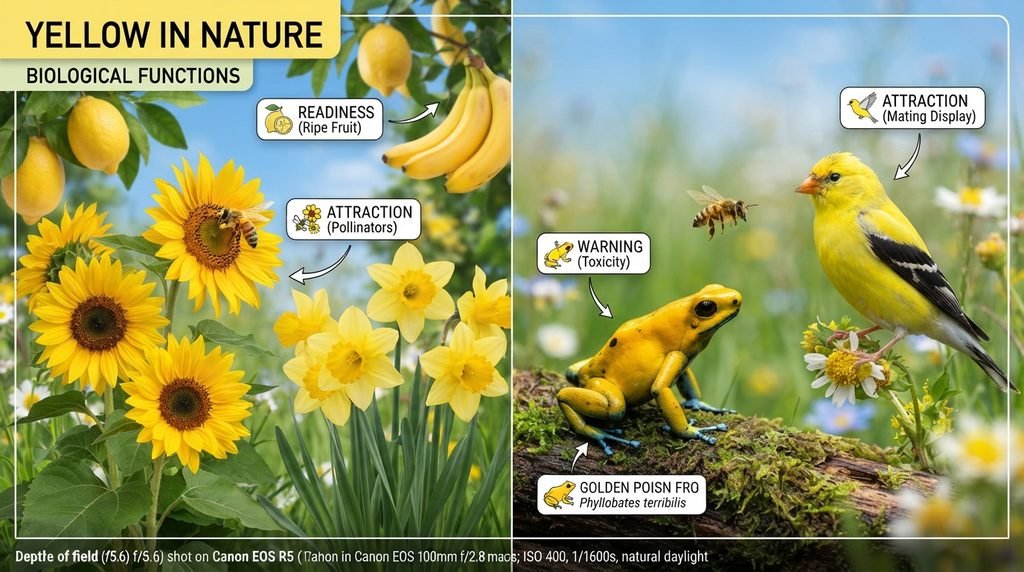
Yellow appears throughout the natural world, often serving very specific biological purposes. It’s used to attract, to warn, and to signal readiness. This functional role adds a practical layer to yellow color meaning beyond pure symbolism.
Because yellow stands out so clearly against green and blue backdrops, nature uses it strategically.
Yellow in Plants and Flowers
Sunflowers, daffodils, and dandelions are among the most recognizable yellow flowers, often symbolizing joy and renewal. Many plants use yellow pigments to attract pollinators like bees, which are highly sensitive to this color. Ripe fruits like lemons and bananas also signal readiness through yellow tones.
This biological function closely mirrors yellow’s symbolic ties to positivity and energy.
Yellow in Animals
Animals like bees, canaries, and certain frogs use yellow for both attraction and warning. Bright yellow markings on some frogs and insects signal toxicity to predators. Meanwhile, yellow feathers in birds are often used in mating displays.
This dual biological purpose — attraction and warning — closely echoes yellow’s layered symbolism in human culture.
Yellow in History
Throughout history, yellow has carried significant symbolic weight, often linked to status, wealth, or caution depending on the era. In some periods, it represented prestige, while in others it carried negative or restrictive connotations. This history adds important context to yellow color meaning today.
Yellow pigments were among the earliest colors used by humans, found in ancient cave paintings.
Yellow in Ancient Civilizations
Ancient Egyptians associated yellow with gold and the eternal, often using it to represent the divine and the afterlife. Pharaohs and gods were frequently depicted with yellow or gold skin tones in ancient art. In ancient Rome, yellow was worn by brides as a symbol of joy and celebration.
These early uses helped establish yellow’s long-standing link to divinity and prestige.
Yellow in Later History
In medieval Europe, yellow sometimes carried negative associations, used to mark outsiders or those viewed with suspicion. By contrast, Chinese emperors continued to reserve yellow as an exclusive, honored color for centuries. This historical contrast shows how dramatically yellow color meaning can shift between regions and eras.
Understanding this history helps explain why yellow still carries such mixed symbolism today.
[Image caption: In ancient China, yellow was reserved exclusively for the emperor as a symbol of supreme power.]
Shades of Yellow and Their Meanings
Yellow has several distinct shades, and each one shifts its emotional tone. Some feel soft and comforting, while others feel sharp and urgent. Understanding these differences adds nuance to yellow symbolism.
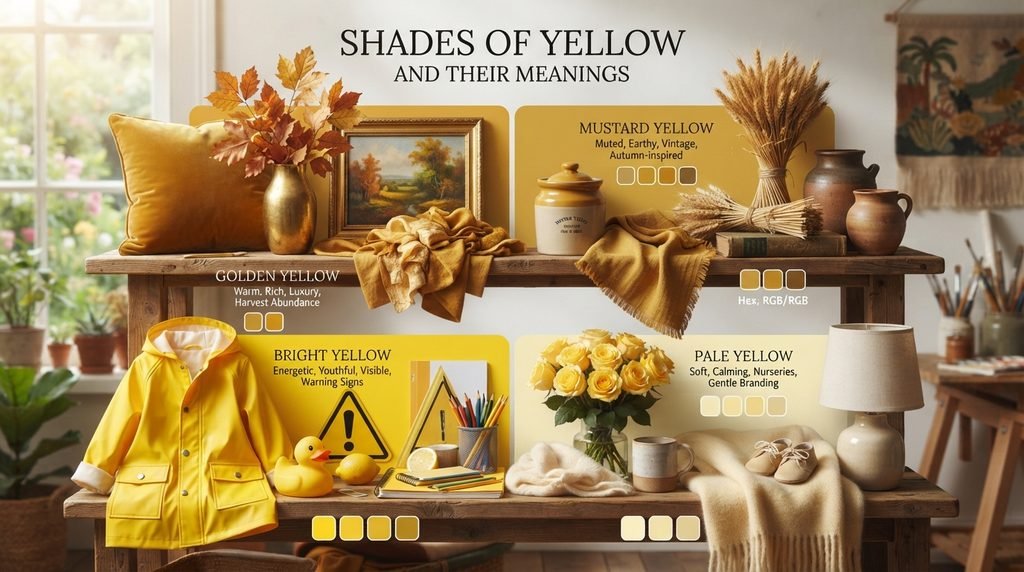
Designers often choose specific shades deliberately, since even slight changes can shift a message significantly.
Golden Yellow and Mustard
Golden yellow feels warm, rich, and associated with luxury or harvest abundance. Mustard yellow leans more muted and earthy, often used in vintage or autumn-inspired design. Both shades feel grounded compared to brighter yellows.
These tones are popular in interior design because they add warmth without feeling overly bold.
Bright Yellow and Pale Yellow
Bright yellow feels energetic, youthful, and highly visible, making it common in warning signs and children’s products. Pale yellow, by contrast, feels soft and calming, often used in nurseries or gentle branding. This contrast shows how flexible yellow color meaning can be depending on intensity.
Choosing between these shades can completely change how a design or message is received.
Yellow in Branding & Marketing
Yellow is a popular branding color because it grabs attention instantly and feels optimistic. It’s often used to suggest friendliness, affordability, and energy. This makes yellow color psychology especially useful for brands wanting to feel approachable.
Many companies use yellow specifically to stand out while still feeling warm rather than aggressive.
Yellow in Food and Retail Branding
Yellow is common in fast food and snack branding because it’s associated with happiness and can stimulate appetite. Retailers also use yellow for sale signs and discount tags, since it draws the eye quickly. This strategic use shows how deeply yellow color psychology influences consumer attention.
Brands like McDonald’s and Best Buy use yellow specifically to feel upbeat and easy to notice.
Yellow in Caution and Safety Branding
Beyond cheerful branding, yellow is heavily used in safety and caution contexts, such as hard hats, hazard signs, and school buses. Its high visibility makes it ideal for situations where quick recognition matters most. This functional use balances yellow’s otherwise joyful reputation.
This dual branding role — happy and cautionary — shows just how versatile yellow can be.
Yellow in Fashion & Design
In fashion, yellow is a bold, cheerful choice that instantly lifts an outfit’s energy. It’s less commonly worn than neutral colors, which makes it feel fresh and attention-grabbing. A single yellow piece can transform an entire look.

In interior design, yellow is often used carefully, since too much can feel overwhelming in enclosed spaces.
Yellow in Clothing and Accessories
A yellow dress or jacket often signals confidence and a playful personality. Yellow accessories, like scarves or bags, can brighten up more neutral outfits. Pastel yellows feel soft and approachable, while bright yellows feel bold and energetic.
This range makes yellow a flexible choice across both casual and statement fashion.
Yellow in Interior Design
In interiors, yellow is often used as an accent in kitchens, dining rooms, or children’s spaces, since it encourages energy and warmth. Soft yellows create cheerful, welcoming environments, while bright yellows add a lively pop of color. Used sparingly, it keeps spaces feeling fresh rather than chaotic.
Designers often pair yellow with neutral tones to balance its intensity.
Yellow and Personality
People drawn to yellow often share certain personality traits, according to general color psychology patterns. This isn’t an exact science, but it does offer interesting insight into self-expression. Exploring yellow and personality adds a personal layer to yellow color meaning.
Color preference can reflect how someone approaches life and relationships.
Traits Associated with Yellow Lovers
People who favor yellow are often seen as optimistic, sociable, and energetic. They tend to be natural communicators who enjoy being around others. This preference often reflects someone who values positivity and spontaneity.
Such individuals may also be quick thinkers, drawn to new ideas and creative problem-solving.
Yellow in Personal Style Choices
Someone who frequently wears yellow may be signaling friendliness and approachability. It’s often chosen by people who want to appear warm and easy to talk to. Even small yellow details, like jewelry or shoes, can reflect a cheerful, outgoing personality.
This makes yellow a popular choice for those who want to feel instantly welcoming.
Yellow in Dreams
Dream interpretation isn’t scientific, but yellow often appears as a meaningful symbol. In dreams, yellow is frequently linked to happiness, intellect, or upcoming change. This makes yellow’s meaning in dreams feel generally positive compared to darker colors.
The specific shade and setting within a dream can shift its interpreted meaning.
Common Interpretations of Yellow in Dreams
Seeing yellow in a dream may suggest optimism about a current life situation or a burst of mental clarity. Some interpret it as a sign of upcoming good news or renewed energy. Others see it as a symbol of caution, especially if the yellow feels harsh or overly bright within the dream.
Because yellow carries both joy and alertness, dream analysts often treat it as a sign of an emotional or mental shift happening beneath the surface.
Yellow in Astrology, Tarot & Numerology
Yellow holds notable symbolic weight in astrology and tarot, often tied to intellect, energy, and optimism. It’s frequently associated with Gemini and Leo, signs known for communication and vibrant self-expression. Yellow is also linked to the sun, representing vitality and personal power.
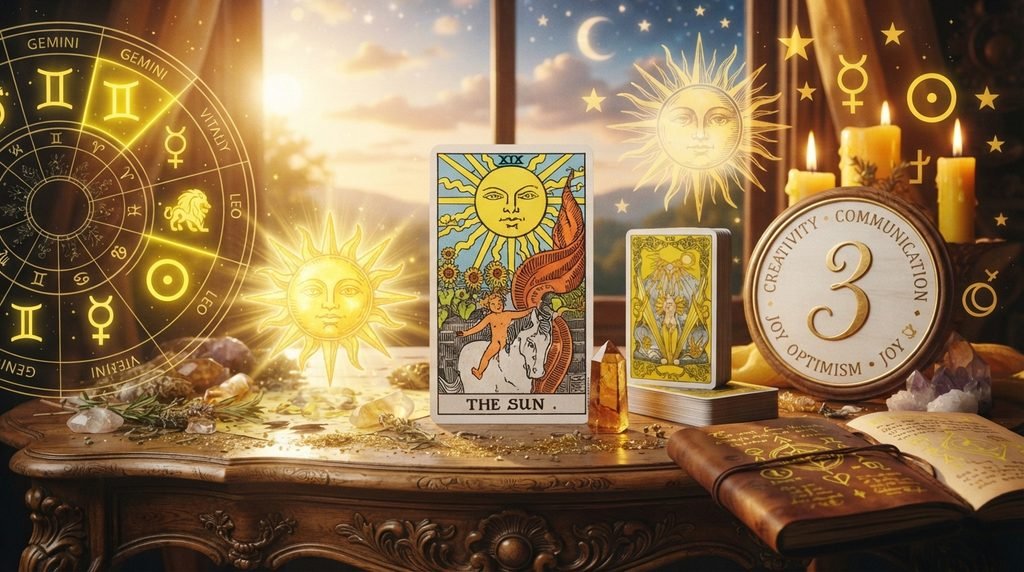
In tarot, yellow often appears in cards symbolizing joy, clarity, or new beginnings, such as the Sun card. In numerology, yellow is sometimes connected to the number 3, representing creativity, communication, and optimism.
Interesting Facts & Trivia
Yellow carries a surprising number of unique facts beyond its symbolism and psychology. These details make the color even more interesting to explore.
- Yellow is the most visible color in daylight, which is why it’s used for taxis and school buses.
- Ancient Egyptians associated yellow with gold and considered it indestructible and eternal.
- The human eye can distinguish more shades of yellow-green than almost any other color family.
- Yellow was historically one of the first pigments ever used by humans in cave art.
Frequently Asked Questions
What does the color yellow symbolize?
Yellow symbolizes happiness, optimism, energy, and caution, making it one of the most versatile colors emotionally.
Why is yellow used for warning signs?
Yellow is highly visible in daylight, which makes it ideal for grabbing attention quickly without feeling overly alarming.
What does yellow mean in branding?
In branding, yellow often represents friendliness, affordability, and energy, helping brands feel approachable and optimistic.
Is yellow a calming color?
Not typically — yellow color psychology shows it’s more stimulating than calming, often boosting alertness and mood.
What personality traits are linked to yellow lovers?
People who love yellow are often optimistic, sociable, and energetic, enjoying connection and spontaneity.
What does yellow mean in dreams?
Yellow in dreams often reflects happiness, mental clarity, or upcoming positive change.
Is yellow associated with any zodiac sign?
Yes, yellow is often linked to Gemini and Leo, both associated with communication and vibrant energy.
Conclusion
Yellow remains one of the most emotionally versatile colors, capable of representing both joy and caution at once. From ancient gold symbolism to modern warning signs, yellow color meaning has always carried a sense of energy and visibility. It’s a color that demands attention, whether through happiness or alertness.
Understanding yellow color meaning helps explain why this color continues to dominate branding, fashion, and everyday symbolism. In the end, yellow isn’t just bright — it’s a reminder that clarity and positivity still have real power.