

Green is the color most closely tied to the natural world. It’s the color of forests, fields, and new growth, which makes green color meaning naturally linked to life itself. Few colors feel as grounded or as universally calming as green.
From traffic lights to recycling symbols, green has become shorthand for “go” and “good.” It represents balance, health, and renewal across nearly every context it touches. This article explores the full green color meaning — from psychology and culture to history and branding — so you’ll understand exactly why this color feels so essential to everyday life.
General Meaning & Symbolism
Green sits at the center of the color spectrum, and that balance shapes much of its symbolism. It’s most often linked to growth, harmony, and renewal. This sense of balance is central to green color meaning across nearly every culture it appears in.
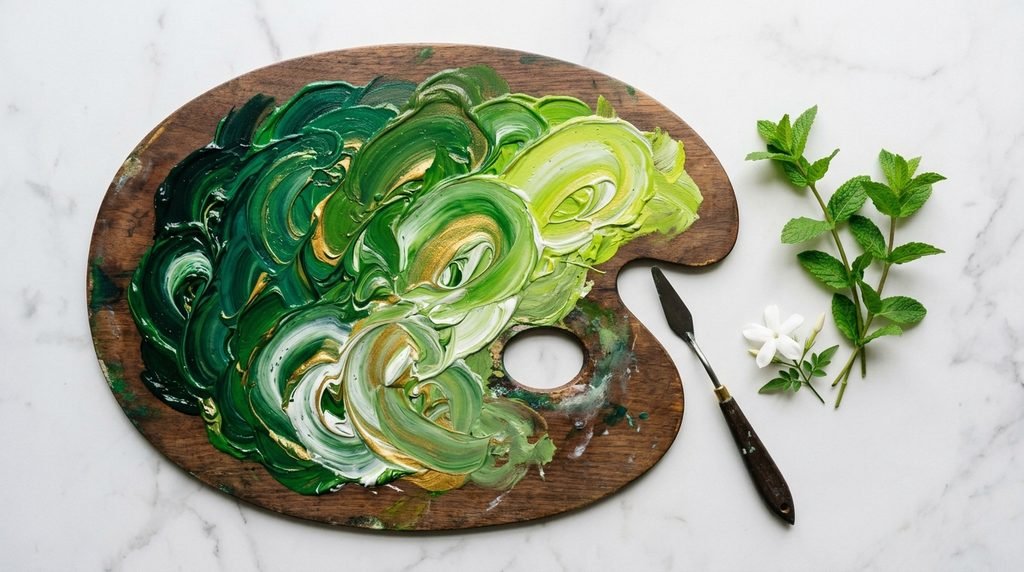
Because green is so dominant in nature, it rarely feels artificial or forced. It carries a quiet, steady symbolism rather than the boldness of red or the brightness of yellow.
Green as a Symbol of Growth and Renewal
Green is widely recognized as the color of new beginnings and natural growth. Spring leaves, fresh grass, and budding plants all use green to signal life returning after dormancy. It’s a color that feels inherently hopeful, tied closely to cycles of renewal.
This connection isn’t accidental. Across generations, green has represented fresh starts, whether in nature, personal growth, or new opportunities.
Green as a Symbol of Balance and Harmony
Green is also tied to balance, stability, and emotional calm. Unlike more intense colors, green doesn’t push for attention — it settles the eye instead. This is part of what green symbolizes beyond simple nature imagery.
Because green sits between warm and cool tones, it often feels like a visual middle ground, neither overstimulating nor dull.
Psychology of Green
Green color psychology centers on calmness, balance, and restoration. It’s often linked to reduced stress and mental clarity. Unlike red, which raises energy, green tends to lower tension and support a sense of steadiness.
Researchers studying color perception often note that green is one of the easiest colors for the human eye to process, which may explain why it feels so naturally soothing.
Green and Mental Relaxation
Green is frequently associated with reduced anxiety and improved focus. It’s sometimes used in hospital and office environments to encourage calm, steady thinking. This relaxing effect is a key reason green color psychology is applied in wellness and healthcare branding.
Spending time in green spaces, like parks or gardens, has also been linked to lower stress levels and improved mood.
Green and Emotional Stability
Beyond relaxation, green is tied to feelings of security, patience, and emotional balance. It’s a color people often associate with dependable, grounded personalities. This emotional steadiness is part of why green color meaning leans so heavily toward reassurance.
At the same time, overly dull or muddy greens can sometimes feel stagnant, showing that even calming colors need the right balance to stay positive.
Green in Different Cultures
Green’s meaning shifts depending on cultural context, much like other colors. In some places, it represents luck and prosperity. In others, it’s tied to religious identity or environmental values. This range shows just how varied green’s meaning can be across the world.
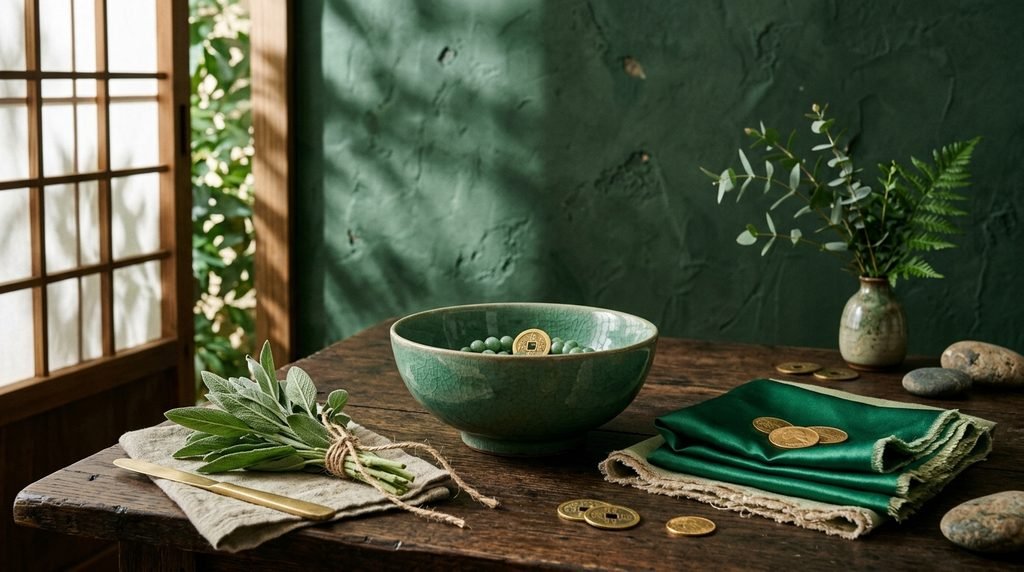
Global brands often need to research these cultural differences carefully before using green in international markets.
Green in Western Cultures
In Western countries, green is strongly associated with nature, luck, and environmental awareness. It’s commonly linked to St. Patrick’s Day and Irish heritage, as well as modern sustainability movements. Green is also tied to money and financial growth in many Western economies.
This mix of folklore and environmentalism gives Western green a practical, everyday symbolism.
Green in Eastern Cultures
In China, green can carry mixed meanings, sometimes linked to growth and harmony, but also historically associated with infidelity in certain phrases. In Islamic cultures, green holds deep religious significance, often associated with paradise and spiritual life.
These varied interpretations show that green color meaning isn’t universal — cultural context always matters.
Green in Religion & Spirituality
Green holds significant spiritual symbolism across multiple traditions, often tied to paradise, fertility, and sacred life. Its connection to nature naturally lends it a peaceful, restorative quality. This spiritual weight adds depth to green color meaning beyond everyday use.
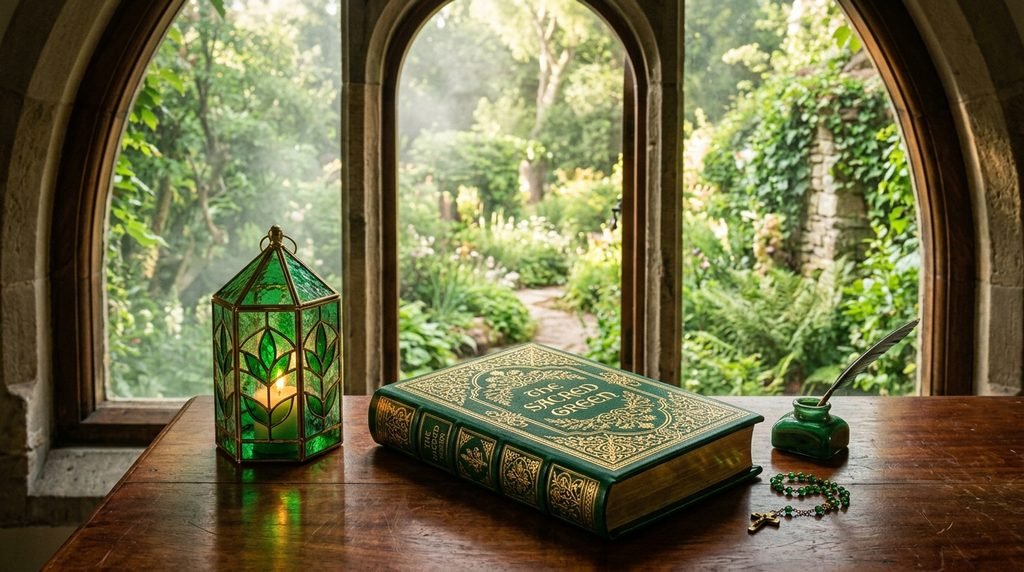
Because green represents living things, many traditions link it directly to divine creation and renewal.
Green in Islam
In Islam, green holds especially sacred meaning, often associated with paradise and eternal life. The color appears frequently in mosque architecture, religious texts, and traditional clothing. It’s considered a color of peace, reflecting the lush gardens described in spiritual teachings.
This deep reverence makes green one of the most spiritually significant colors within Islamic tradition.
Green in Christianity and Other Faiths
In Christianity, green is often used during ordinary liturgical seasons, symbolizing growth, hope, and life. It represents the ongoing journey of faith rather than a single sacred event. In various Earth-based spiritual practices, green is tied to fertility, abundance, and the life force of nature itself.
This broad symbolism reinforces green’s reputation as a color of renewal across many belief systems.
Green in Nature
Green dominates the natural world more than almost any other color. It’s the color of leaves, forests, and countless plants due to chlorophyll, the pigment that allows photosynthesis. This biological role gives the color meaning a strong scientific foundation.
Because green is so essential to plant life, it has become deeply tied to the idea of life itself.
Green in Plants and Forests
Trees, grass, and countless plants rely on green chlorophyll to convert sunlight into energy. This process is fundamental to life on Earth, making green a color tied directly to survival. Forests, in particular, use green to create entire ecosystems that support countless species.
This biological necessity closely mirrors green’s symbolic ties to life, balance, and renewal.
Green in Animals
Animals like tree frogs, lizards, and certain insects use green for camouflage within leafy environments. This coloring helps them avoid predators while blending seamlessly into their surroundings. Some birds and reptiles also use green tones during mating displays.
This dual biological purpose — camouflage and display — echoes green’s broader symbolism of harmony with the natural world.
Green in History
Throughout history, green has carried varied symbolic weight, often linked to wealth, nature, or even danger depending on the era. In some periods, it represented prosperity, while in others it was tied to toxic or unstable pigments. This history adds important context to green color meaning today.
Green pigments were historically difficult to produce consistently, which shaped how the color was used.
Green in Ancient Civilizations
Ancient Egyptians associated green with rebirth and the afterlife, often linking it to Osiris, the god of resurrection. Green was used in tomb paintings to represent eternal life and fertility. In ancient Rome, green was tied to Venus and associated with love and fertility.
These early uses helped establish green’s long-standing link to renewal and life beyond death.
Green in Later History
In the 18th and 19th centuries, certain green pigments contained arsenic, making some green dyes genuinely toxic to those who wore or produced them. Despite this, green remained fashionable among European elites during this period. This historical contrast shows how green color meaning has shifted between beauty and danger over time.
Understanding this history helps explain why green still carries such a layered reputation today.
[Image caption: Vibrant green pigments were once prized by European elites, despite hidden toxic risks.]
Shades of Green and Their Meanings
Green has countless shades, and each one shifts its emotional tone. Some feel fresh and energetic, while others feel deep and grounded. Understanding these differences adds nuance to green symbolism.
Designers often choose specific shades deliberately, since even slight changes can shift a message significantly.
Emerald and Forest Green
Emerald green feels rich, luxurious, and associated with elegance or prosperity. Forest green leans deeper and more grounded, often used to suggest stability or tradition. Both shades feel more serious compared to brighter greens.
These tones are popular in branding and fashion because they add sophistication without losing green’s natural warmth.
Lime and Sage Green
Lime green feels energetic, youthful, and highly visible, making it common in sportswear and modern design. Sage green, by contrast, feels soft and calming, often used in wellness branding or minimalist interiors. This contrast shows how flexible green’s meaning can be depending on intensity.
Choosing between these shades can completely change how a design or message is received.
Green in Branding & Marketing
Green is a popular branding color because it instantly suggests health, sustainability, and trust. It’s often used to communicate natural, eco-friendly values. This makes green color psychology especially useful for wellness and environmental brands.
Many companies use green specifically to signal responsibility and reliability.
Green in Health and Wellness Branding
Green is common in health food, supplement, and wellness branding because it feels natural and clean. It suggests freshness and vitality without feeling artificial. This strategic use shows how deeply green color psychology influences consumer trust.
Brands focused on organic or sustainable products almost always lean on green to reinforce their values.
Green in Financial and Eco-Friendly Branding
Beyond wellness, green is heavily used in financial branding, often linked to money, growth, and stability. It’s also the go-to color for environmental and sustainability-focused companies. This dual branding role — wealth and eco-consciousness — shows just how versatile green can be.
This flexibility makes green one of the most strategically valuable colors in modern marketing.
Green in Fashion & Design
In fashion, green is a versatile choice that can feel either earthy or luxurious depending on the shade. It’s less commonly worn than neutral colors, which makes it feel fresh when styled well. A single green piece can completely shift an outfit’s mood.
In interior design, green is often used generously, since it tends to feel calming rather than overwhelming.
Green in Clothing and Accessories
A green dress or blazer often signals confidence paired with natural elegance. Deep green accessories, like bags or shoes, can elevate an outfit’s sophistication. Lighter greens, on the other hand, often add a fresh, relaxed feel to casual looks.
This range makes green a flexible choice across both formal and everyday fashion.
Green in Interior Design
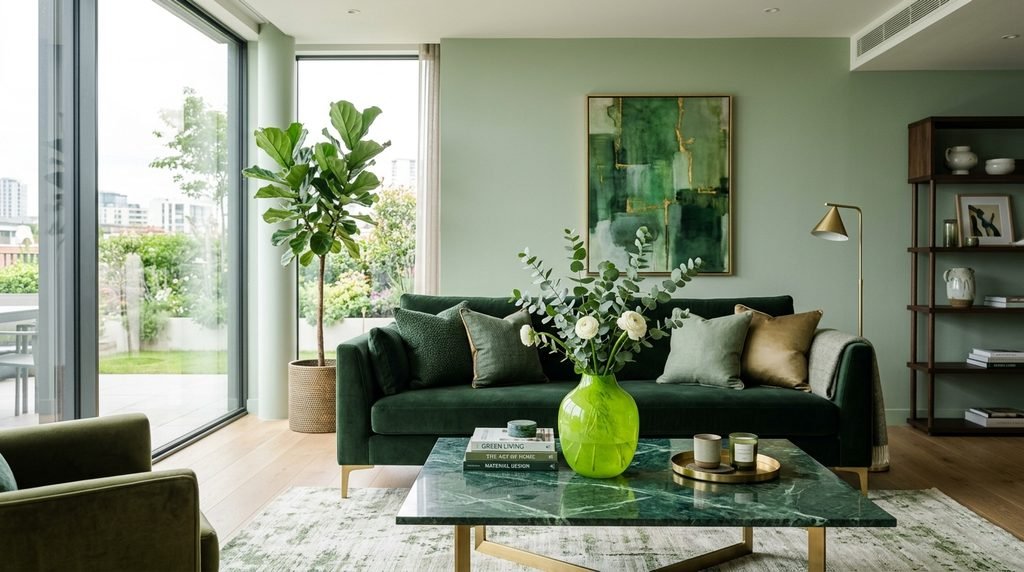
In interiors, green is often used throughout a space, from accent walls to houseplants, since it naturally promotes calm. Soft greens create peaceful, restful rooms, while deeper greens add richness and depth. Used generously, it rarely feels overwhelming compared to bolder colors.
Designers often pair green with natural materials like wood to enhance its organic feel.
Green and Personality
People drawn to green often share certain personality traits, according to general color psychology patterns. This isn’t an exact science, but it does offer interesting insight into self-expression. Exploring green and personality adds a personal layer to green color meaning.
Color preference can reflect how someone approaches balance and stability in life.
Traits Associated with Green Lovers
People who favor green are often seen as calm, dependable, and practical. They tend to value stability and prefer steady progress over sudden change. This preference often reflects someone who is grounded and considerate in their decision-making.
Such individuals may also be nurturing, often drawn to caretaking roles or supportive relationships.
Green in Personal Style Choices
Someone who frequently wears green may be signaling reliability paired with a connection to nature. It’s often chosen by people who want to feel calm and balanced in how they present themselves. Even small green details, like jewelry or accessories, can reflect a grounded, steady personality.
This makes green a popular choice for those who value harmony over bold statements.
Green in Dreams
Dream interpretation isn’t scientific, but green often appears as a meaningful symbol. In dreams, green is frequently linked to growth, healing, or personal renewal. This makes the meaning in dreams feel generally positive compared to more intense colors.
The specific shade and setting within a dream can shift its interpreted meaning.
Common Interpretations of Green in Dreams
Seeing green in a dream may suggest personal growth or a period of healing in waking life. Some interpret it as a sign of financial improvement or new opportunities. Others see it as a symbol of balance, especially if the dream feels peaceful and calm.
Because green carries both renewal and stability, dream analysts often treat it as a sign of positive change taking root.
Green in Astrology, Tarot & Numerology
Green holds notable symbolic weight in astrology and tarot, often tied to growth, abundance, and emotional balance. It’s frequently associated with Taurus, a sign known for grounded, nature-loving tendencies. Green is also linked to Venus, the planet associated with love and material comfort.
In tarot, green often appears in cards symbolizing growth, fertility, or new opportunity, such as the Empress card. In numerology, green is sometimes connected to the number 4, representing stability, structure, and steady progress.
Interesting Facts & Trivia
Green carries a surprising number of unique facts beyond its symbolism and psychology. These details make the color even more interesting to explore.
- Green is the color the human eye can distinguish the most shades of, due to how our eyes evolved.
- Some historical green dyes contained arsenic, making them genuinely dangerous to wear.
- Green is the only color permanently associated with “go” in traffic systems worldwide.
- Four-leaf clovers are considered lucky partly because of their rare green vibrancy.
Frequently Asked Questions
What does the color green symbolize?
Green symbolizes growth, balance, nature, and renewal, making it one of the most calming colors psychologically.
Why is green used for health and wellness branding?
Green feels natural and clean, which helps brands communicate freshness, vitality, and trustworthiness.
What does green mean in branding?
In branding, green often represents sustainability, growth, and financial stability, making it popular across wellness and finance industries.
Is green a calming color?
Yes, green color psychology shows it reduces stress and supports mental clarity more than most other colors.
What personality traits are linked to green lovers?
People who love green are often calm, dependable, and nurturing, valuing stability and balance.
What does green mean in dreams?
Green in dreams often reflects personal growth, healing, or positive change taking shape.
Is green associated with any zodiac sign?
Yes, green is often linked to Taurus and the planet Venus, both associated with grounded, natural abundance.
16. Conclusion
Green remains one of the most universally reassuring colors, representing both the beauty and necessity of the natural world. From ancient symbols of rebirth to modern sustainability branding, green color meaning has always carried a sense of balance and renewal. It’s a color that rarely demands attention, yet consistently earns trust.
Understanding green color meaning helps explain why this color continues to dominate wellness, finance, and everyday symbolism. In the end, green isn’t just the color of nature — it’s a reminder that growth and stability can exist together.